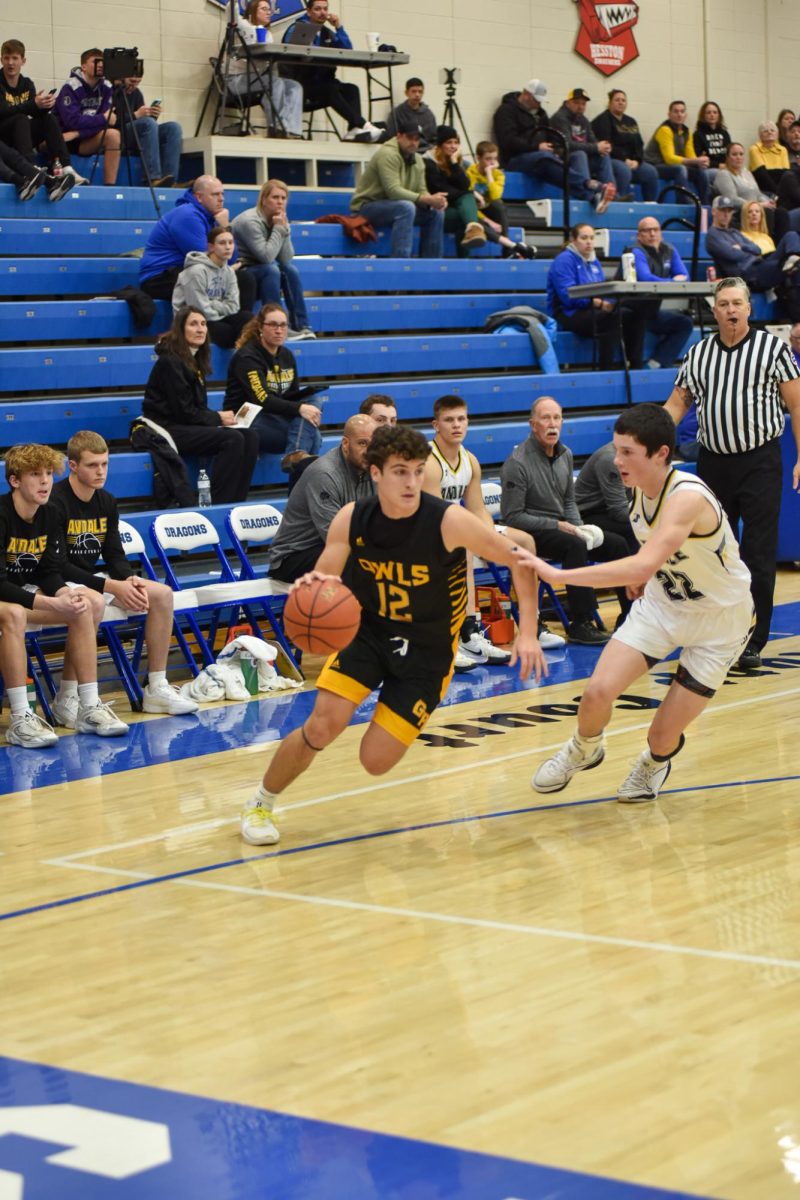





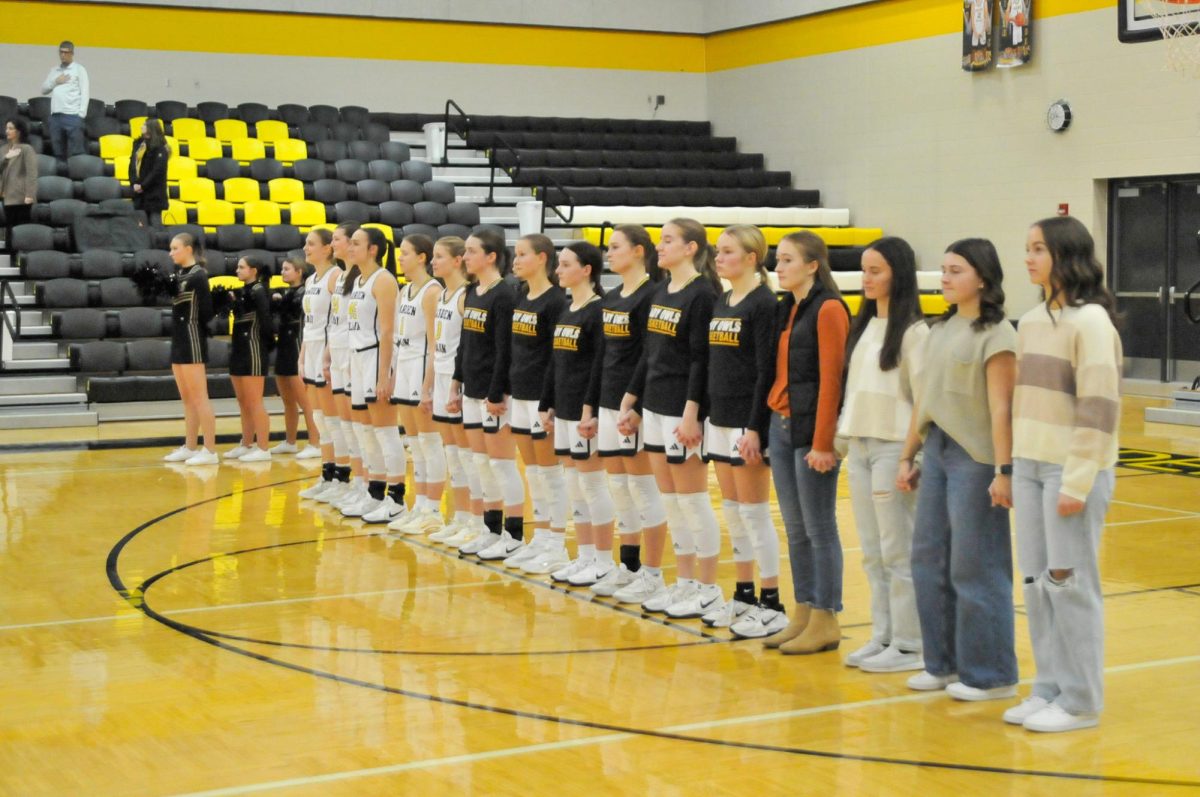





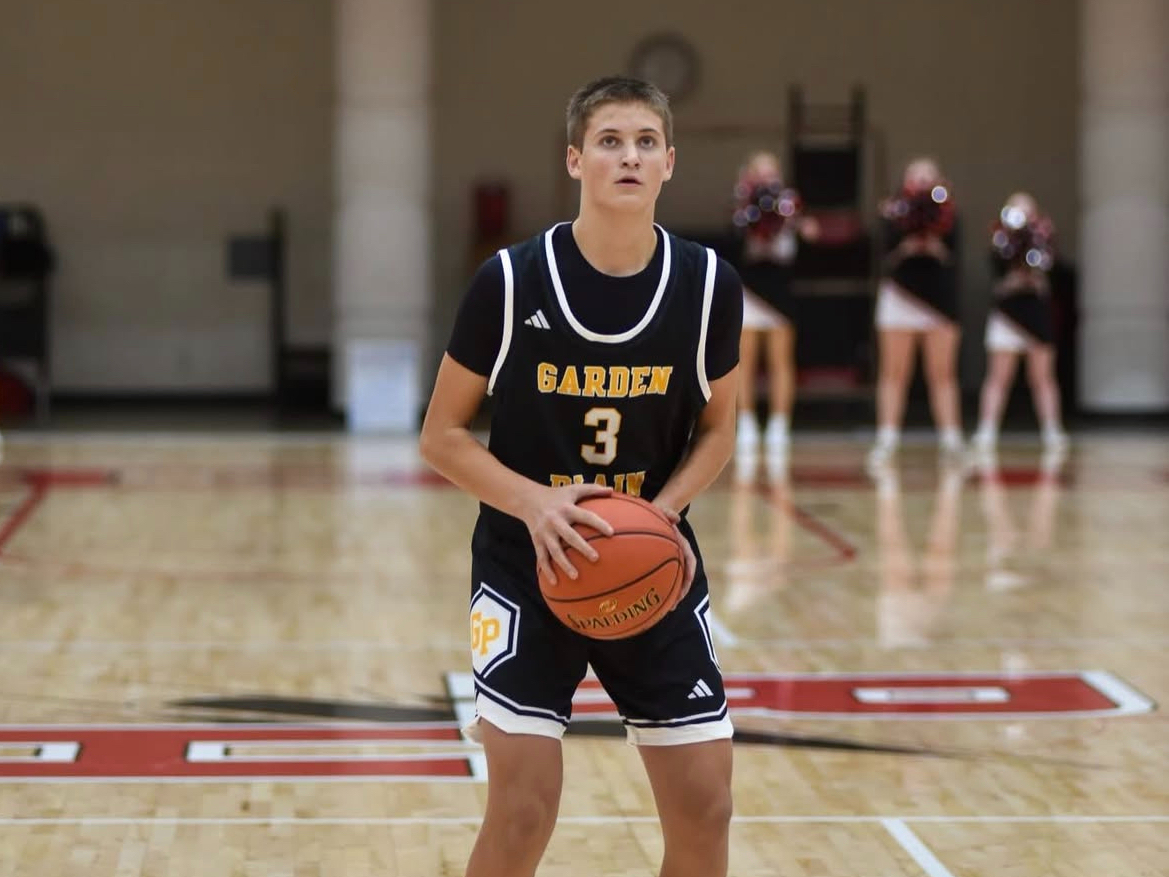





“My knee’s out!” echoed across the gym this summer at the Haven Basketball Jamboree. Aubrey Haukap, a standout player for the Lady Owls, had suffered yet another knee injury. This time, she needed an MPFL surgery. The setback would sideline her for the entire volleyball season. After undergoing surgery, she focused on rebuilding her strength and is now on the verge of being released for the 2025–2026 basketball season. As she approaches her return, Aubrey has taken a more grateful outlook on her athletic career, noting, “I used to just go through the motions with sports, but I’m much more grateful for the things I get to do now.” She also noted how excited she was to get back on the court, saying, “I love basketball, and I’m really happy that I still get the opportunity to play.” The Lady Owls will be beyond thrilled to see her back on the court this winter and competing in high jump this spring.

As athletes continue to develop and refine their skills, the sports world has become increasingly demanding and competitive. With that pressure comes a growing risk of injury among teenage athletes. Over the past 15 years, ACL tears have risen by 26%, making them one of the most dreaded and devastating injuries in sports. Each year, an estimated 200,000 to 250,000 athletes suffer ACL tears across the U.S.
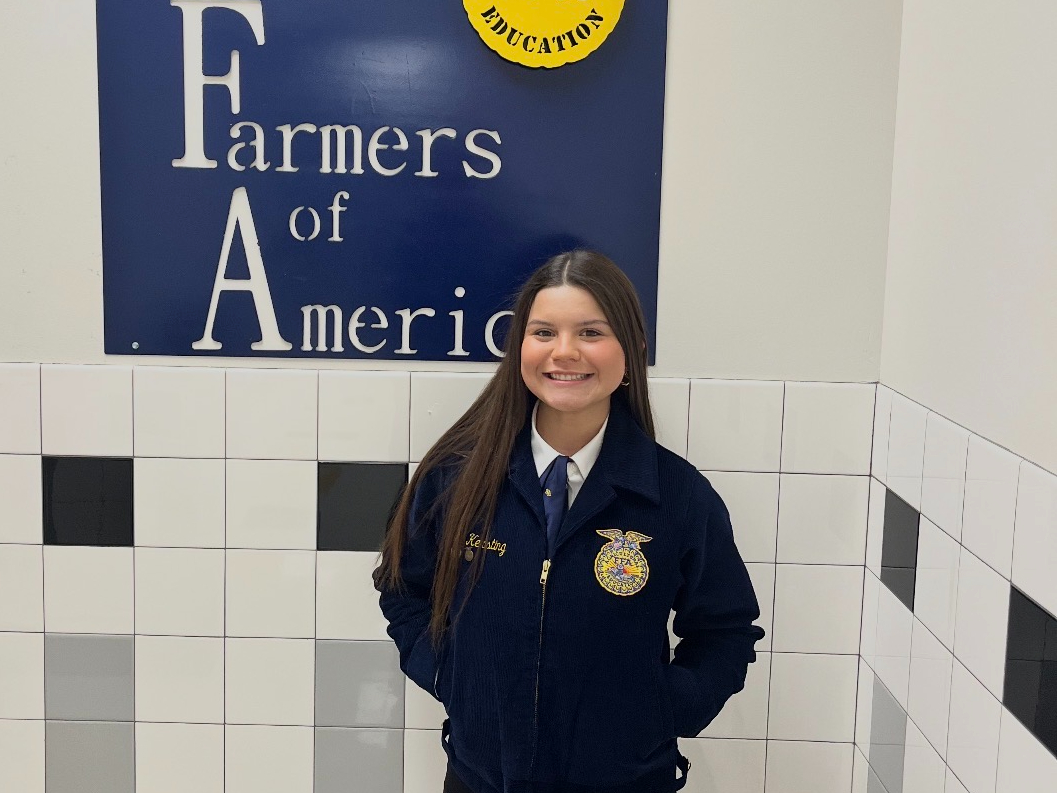
For many student-athletes, the fear of an ACL tear is a constant presence. Some, like Hailey Brack, have faced that challenge head-on. A three-sport athlete, Hailey tore her ACL last winter during basketball, ending her chances of competing at the state track meet. As a standout thrower for Garden Plain, the injury was a major setback to the season she had trained for all year. “The hardest part of being sidelined is seeing your teammates do what makes you happy and not being able to join in,” she said. Through determination, hard work in physical therapy, and persistence in recovery, Hailey made a strong comeback over the summer. She was fully cleared to return to sports on July 16, 2025. “I was most excited to be back in a team environment and play with all my friends again. It taught me to appreciate every hard practice or game because you never know when it will be your last. Always give 100%!” she added. Now fully recovered, Hailey stands as an inspiration to all who watch her.

At a school known for its athletic excellence, each season takes a toll on the body. With intense pressure and physical demands, injuries are bound to happen—from minor sprains and bruises to major setbacks like ACL tears and fractures. As sports continue to grow in intensity, so does the training. Despite these challenges, Garden Plain takes pride in its strong support system and commitment to helping athletes recover and return stronger than before. Coaches across the nation have found that the best approach isn’t to push harder—it’s to train smarter. Athletes are finding further success by balancing strength work with speed, recovery, and injury prevention. Coach Todd Rice, Garden Plain’s strength and conditioning teacher and football coach, has built a system focused on helping athletes grow while staying healthy.
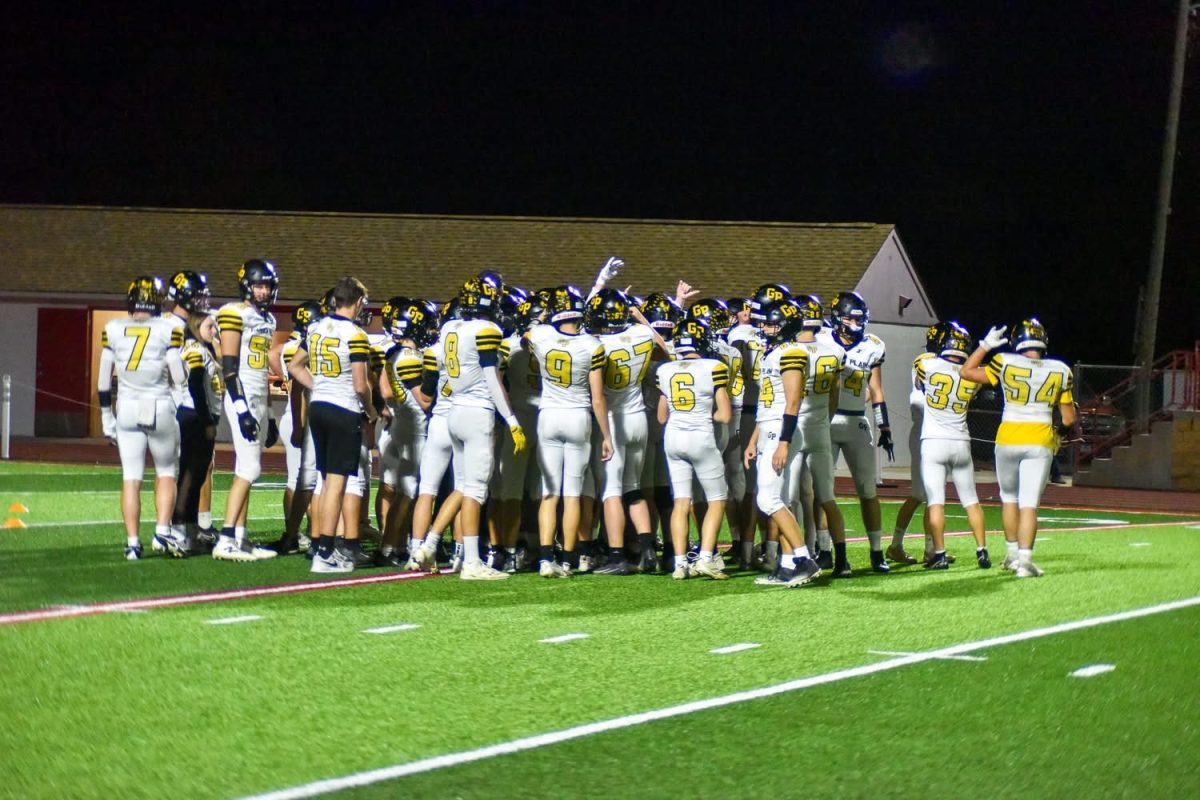
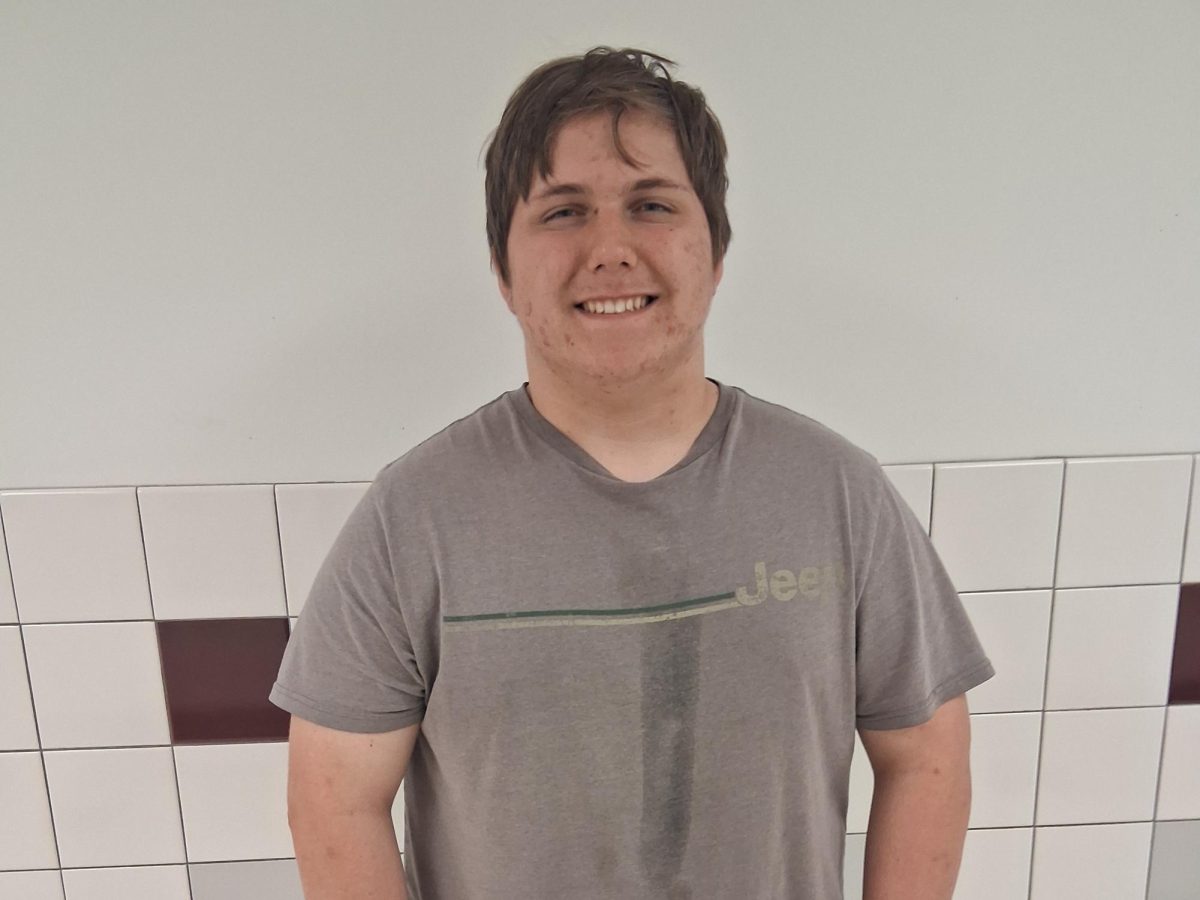
As the football team approaches the postseason, Pete McGregor, a key senior player, is making his own comeback. At the Cheney game earlier this season, Pete suffered a finger injury that required surgery. Though it cut into his senior year, he remained determined to return. After weeks of rehab, Pete is now ready to rejoin his team in the first round of playoffs against Douglass. “I’m excited to finish my senior football season with my friends,” said Pete.

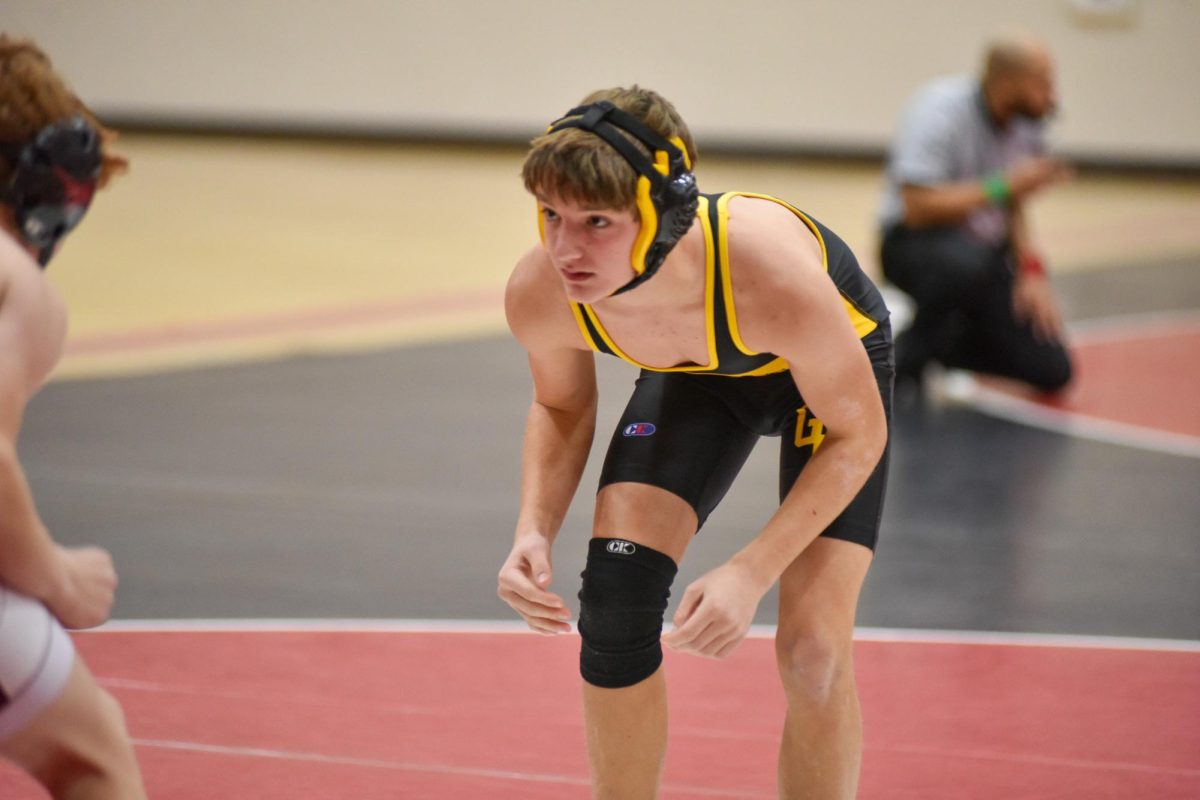
Another football player for the Owls, Tucker Tomson, suffered a shoulder injury early in the season. With football being his favorite sport, he said, “The hardest part about being sidelined was watching someone else play my position.” However, the setback did little to slow his drive to return to the field. After dedicated time and training, Tucker was soon ready to play again, continuing the momentum and determination he had started the season with. “I was most excited to play again and to feel included with the team again,” he added.

Athletes today fear injury, seeing it as a major setback. Yet the athletes highlighted in this article show that fear cannot contain intensity. The drive for excellence pushes them past physical and mental obstacles, proving that injury is not the end of ambition. With a hunger for the sports they love, they faced each challenge head-on without a complaint, demonstrating true dedication and resilience.
Often, the question is “When will I get better?” instead of “How can I get better?” That shift in mindset can transform a strong athlete into an elite one. The road back is never easy, but it often reveals an athlete’s true determination. Every step taken by GPHS athletes through these halls reflects determination, pride, and the relentless pursuit of greatness. As competition continues to rise, schools like Garden Plain are proving that the best athletes aren’t just the strongest—they’re the smartest about how they train, recover, and return even stronger.